
Best Whey Protein Powders (2026) — Compared by Price, Quality, and Taste
Walk into any supplement store and you will find hundreds of tubs with nearly identical labels, wildly different prices, and marketing claims that range from reasonable to absurd. Every brand claims to be the best. Most of them are lying — or at least exaggerating.
Here is the truth: whey protein is one of the most well-researched supplements on the planet, and the basic science is settled. It helps you build and maintain muscle when you combine it with resistance training. That part is not complicated. What gets complicated is figuring out which brand actually delivers quality protein, which ones are mostly filler, and whether you are paying a fair price for what is in the tub.
I compared dozens of options and found five that genuinely earn their place as the best whey protein powders in 2026. Before we get to the picks, let us cover what whey protein actually is — and what actually separates a good one from a waste of money.
I have tried at least six different whey protein brands over the past two years. Some tasted like chalk, some dissolved perfectly, and one gave me stomach cramps for a week. The differences between brands are bigger than most people expect — and they rarely show up on the label.
The short version — if you just want the answer:
- Best Overall: Optimum Nutrition Gold Standard — quality, taste, and availability all in one
- Best Budget: MyProtein Impact Whey — 84% protein ratio at $0.85/serving, hard to beat
- Best for Muscle Gain: Dymatize ISO100 — hydrolyzed isolate, near-zero lactose, fastest absorption
- Best Tasting: Legion Whey+ — natural sweeteners, actually enjoyable to drink
- Best for Weight Loss: Transparent Labs Grass-Fed — 28g protein per serving, zero sugar, zero compromise
Now for the full breakdown.
What Is Whey Protein (and Why Does It Work)?
Whey is a byproduct of cheese production. When milk is separated into curds and whey, the liquid whey fraction gets collected, filtered, and dried into the powder you see in supplement tubs. It is a complete protein — meaning it contains all nine essential amino acids your body cannot produce on its own — and it is particularly rich in leucine, the amino acid that triggers muscle protein synthesis.
Your body absorbs whey quickly compared to other protein sources. That is why it became the go-to post-workout supplement. After you train, your muscles are primed to absorb protein and start the repair process. Whey protein gets there faster than a chicken breast.
Here is what matters practically: any complete protein source can build muscle. Whey is not magic. But for sheer convenience, price per gram of protein, and absorption speed, it is hard to beat.
What Actually Matters When You Are Buying
Most of the label is noise. These are the numbers and certifications that actually separate quality from filler.
Protein Per Serving — The Most Important Number
A serving might be 30 grams of powder but only contain 20 grams of protein. The rest is filler: maltodextrin, creamers, thickeners, and flavoring. A good whey protein delivers at least 70% of its serving weight as actual protein. The best hit 80-85%.
Quick math: divide protein grams by serving size grams, then multiply by 100. A 33-gram serving with 24 grams of protein is 73% — acceptable. A 40-gram serving with 20 grams of protein is 50% — you are paying for filler.
Price per serving matters equally. A $60 tub with 30 servings costs $2.00 per serving. A $30 tub with 35 servings costs $0.86 per serving. If both deliver similar protein per serving, the cheaper option is objectively better value.
Concentrate vs. Isolate vs. Hydrolysate
These represent different processing methods, not marketing tiers:
Concentrate is the least processed form — 70-80% protein, higher lactose and fat, lowest cost. Works perfectly for people who tolerate dairy.
Isolate goes through additional filtering to remove more fat and lactose — 85-95% protein. Worth the slight premium if you are lactose-sensitive or tracking calories tightly.
Hydrolysate is pre-digested (broken into smaller peptides) for faster absorption. The absorption advantage is real but marginal. For most people — including serious lifters — standard isolate or concentrate gives the same results at a lower price. Hydrolysate is mainly worth it for competitive athletes training twice per day.
Third-Party Testing — Non-Negotiable
This is the single biggest differentiator between trustworthy brands and gambling. Independent labs verify that the protein powder actually contains what the label claims and does not carry harmful contaminants — heavy metals, banned substances, undisclosed ingredients.
A 2020 study published in the Journal of the International Society of Sports Nutrition found that many untested protein powders contained significantly less protein than labeled, and some had detectable heavy metals. This is not a theoretical risk.
Look for: Informed Sport (every batch tested — gold standard for athletes), Informed Choice (random batch testing), NSF Certified for Sport, or Labdoor (publishes public rankings with lab results). A brand without any third-party testing is a gamble you do not need to take.
Ingredient Red Flags
Check the ingredient list and avoid anything with maltodextrin near the top (cheap blood-sugar-spiking filler), proprietary blends (hides actual amounts), amino spiking (taurine, glycine, or creatine added to inflate protein numbers on paper), or more than 3-4 grams of added sugar per serving.
The 5 Best Whey Protein Powders of 2026
1. Optimum Nutrition Gold Standard — Best Overall
ON Gold Standard has been the best-selling whey protein in the world for over a decade. That does not happen by accident. The formula uses whey isolate as the primary ingredient — listed first on the label — supplemented with concentrate and peptides. Each 30.4-gram scoop delivers 24 grams of protein at a 79% ratio. Informed Sport certified, clean ingredient list, no amino spiking, no proprietary blends.
Taste — Double Rich Chocolate and Extreme Milk Chocolate actually taste like what they claim. Not chalky, not artificial. 20+ flavors to choose from, and the quality is consistent across the range.
Mixability — Mixes clean in a standard shaker with water or milk. No clumping, no residue at the bottom of the bottle.
Digestion — Isolate as the primary ingredient means lower lactose than a pure concentrate. Most people tolerate it well. If you have a known dairy sensitivity, start with a small bag before buying in bulk.
Value — $1.30 per serving. Not the cheapest on this list, but available everywhere — Amazon, Costco, grocery stores. That availability matters when you are buying consistently month after month.
2. MyProtein Impact Whey — Best Budget
$0.85 per serving. 84% protein ratio. Informed Sport certified. Clean ingredient list: whey concentrate, flavoring, sucralose — nothing else. For a concentrate at this price, that is hard to argue with. This is the one you recommend to someone who just wants a solid protein powder without spending serious money.
Taste — 40+ flavor options. Chocolate Smooth, Vanilla, and Salted Caramel are the reliable ones — consistently good. The creative flavors like Birthday Cake and Cinnamon Danish are hit or miss. Stick to the classics first.
Mixability — Clean mix, slightly thicker than isolate due to the concentrate base. No clumping if you shake it properly.
Digestion — Whey concentrate means more lactose than isolate. If you are prone to bloating or gas after dairy, test a small bag before committing to a 5-pound tub. For everyone without a lactose issue — no problems.
Value — $0.85 per serving, and often lower during their 30-45% off sales, which happen constantly. At this price with this protein ratio, the argument against it is a hard one to make.
3. Dymatize ISO100 — Best for Muscle Gain
ISO100 uses hydrolyzed whey isolate — partially pre-digested for faster absorption. 25 grams of protein per serving, under 1 gram of sugar and fat, virtually zero lactose. Informed Choice certified. One of the cleanest formulas you can buy, full stop.
Taste — Gourmet Chocolate and Fruity Pebbles are the standout flavors. Smaller range than some competitors (12+ options) but the quality is consistent. Nothing that tastes like you are drinking a science experiment.
Mixability — One of the smoothest on this list. Hydrolyzed whey dissolves easily — no clumping even in plain cold water.
Digestion — Near-zero lactose and near-zero fat. If standard whey gives you bloating or cramps, this is the first thing to try. It was designed specifically for people who struggle with digestion on concentrate or regular isolate.
Value — $1.50 per serving. The hydrolyzed processing justifies the price if you train hard and frequently. If you go to the gym twice a week for general fitness, standard isolate gives you the same results for less.
4. Legion Whey+ — Best Tasting
Legion uses natural sweeteners (stevia and erythritol) and natural flavoring — no artificial anything. 100% whey isolate, 22 grams per scoop, fully transparent label, Labdoor tested with results published publicly on their site. If you care what goes into your body beyond just the protein number, this is the one.
Taste — The best on this list. Chocolate Peanut Butter and Cinnamon Cereal are genuinely enjoyable — not just “tolerable for the gains.” This is the one people actually look forward to drinking. Natural sweeteners make a real difference here.
Mixability — Slightly thicker consistency than artificial-sweetener versions. Mixes clean with both water and milk, no clumping.
Digestion — 100% isolate means low lactose. The erythritol content is low enough that digestive sensitivity is rarely an issue, but if you are very sensitive to sugar alcohols, it is worth knowing it is in there.
Value — $1.65 per serving — the most expensive here. You are paying for natural ingredients, superior taste, and a transparency standard that most brands avoid. If those things matter to you, the premium is fully justified.
5. Transparent Labs 100% Grass-Fed Whey — Best for Weight Loss
28 grams of protein per serving. Zero sugar. Under 1 gram of fat. 120 calories. Grass-fed whey isolate, Informed Sport certified, fully transparent label — exact amounts for everything. If you are cutting and need to maximize protein while keeping calories tight, this is the most efficient option on this list.
Taste — Good, not exceptional. Chocolate Peanut Butter and French Vanilla are the strongest options. Some stevia aftertaste is noticeable — it is milder than most natural protein powders, but it is there. Do not expect it to taste like a milkshake.
Mixability — Clean mix across all flavors, no clumping issues.
Digestion — Zero sugar, near-zero fat, no unnecessary additives. The cleanest formula on this list. Nothing in the ingredient list that should cause digestive trouble.
Value — $1.55 per serving for 28 grams of protein from grass-fed isolate. Highest protein per serving on this list. If you are in a calorie deficit, that math is genuinely compelling — maximum protein, minimum everything else.
Side-by-Side Comparison
| Feature | ON Gold Standard | MyProtein Impact | Dymatize ISO100 | Legion Whey+ | Transparent Labs |
|---|---|---|---|---|---|
| Price/Serving | $1.30 | $0.85 | $1.50 | $1.65 | $1.55 |
| Protein/Serving | 24g | 21g | 25g | 22g | 28g |
| Protein Ratio | 79% | 84% | 78% | 71% | 88% |
| Calories | 120 | 103 | 110 | 110 | 120 |
| Sugar | 1g | 1.5g | <1g | 0g | 0g |
| Protein Type | Blend (Isolate primary) | Concentrate | Hydrolyzed Isolate | Isolate | Isolate (Grass-Fed) |
| Third-Party Testing | Informed Sport | Informed Sport | Informed Choice | Labdoor | Informed Sport |
| Sweetener | Sucralose | Sucralose | Sucralose | Stevia/Erythritol | Stevia |
| Flavors | 20+ | 40+ | 12+ | 10+ | 8+ |
Prices are approximate and may vary by seller and availability.
Common Buying Mistakes
Most mistakes people make when searching for the best whey protein powders come down to focusing on the wrong things. Here is what to avoid.
Buying based on marketing claims. “Anabolic formula,” “muscle-building matrix,” “advanced protein technology” — these are meaningless terms. Zero scientific backing. The difference between brands comes down to protein percentage, ingredient quality, and third-party testing. Not proprietary buzzwords.
Ignoring the protein ratio. Divide protein grams by serving size grams. Anything below 70% means you are paying for filler. Some brands pack 40-gram scoops with only 20 grams of protein. The math does not lie.
Skipping third-party testing. A 2020 JISSN study found untested protein powders frequently contained less protein than labeled and some had heavy metals. This is documented, not theoretical. Informed Sport, NSF, or Labdoor certification is the minimum bar.
Overpaying for hydrolyzed whey. Unless you are a competitive athlete training twice daily, the practical absorption difference between hydrolysate and standard isolate does not justify the price premium. Seriously.
Buying a 5-pound tub before testing. A 5-pound tub is cheaper per serving, yes. But if you hate the taste, you now have 60+ servings of something you dread drinking. Always test the smallest available size first, then buy in bulk once you know it works. The same research-first principle applies to any major purchase — our guide on how to buy refurbished electronics without getting burned covers a vetting framework that translates well across product categories.
How to Use Whey Protein Effectively
Getting the most from the best whey protein powders is straightforward once you understand the basics. Whey is a supplement. It supplements the protein you get from whole food — not a meal replacement, not a primary protein source.
Daily protein target: 0.7-1.0 grams per pound of body weight for active individuals. A 180-pound lifter should aim for 126-180 grams of protein per day from all sources combined. Whole food first, whey fills the gap.
Timing: Post-workout is the most common use, and it is fine. But total daily protein intake matters far more than timing precision. A shake within 2 hours after training is reasonable. The “30-minute anabolic window” is overstated — the window is closer to 2 hours, and the actual impact of timing vs. total daily intake is small.
Mixing: Water gives a thinner consistency and fewer calories. Milk adds calories, fat, and 8 additional grams of protein per cup. Blend with fruit and oats for a higher-calorie shake during bulking phases.
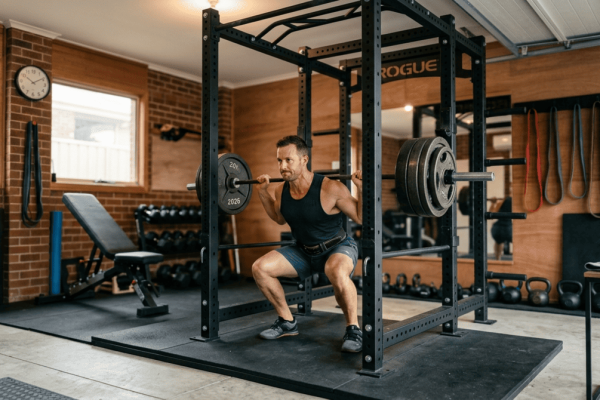
If you are building a home workout setup to complement your supplement stack, our guide to the best power racks for home gym covers everything from budget to professional-grade options.
One thing I learned the hard way: mixing method matters more than people think. I used to just shake it in a bottle and wonder why it was clumpy. A blender ball shaker or 10 seconds in an actual blender makes a noticeable difference with every brand I tested.
Key Takeaways
Here is what the research on the best whey protein powders of 2026 actually shows:
-
Optimum Nutrition Gold Standard is the best overall choice for most people. It balances protein quality, taste, third-party testing, and price better than any other widely available option.
-
MyProtein Impact Whey at $0.85 per serving is unbeatable for budget buyers. An 84% protein ratio with Informed Sport certification — quality without the premium price.
-
Third-party testing is non-negotiable. Informed Sport, NSF, or Labdoor. Untested brands are a gamble you do not need to take.
-
Protein ratio matters more than brand name. Above 75% is good. Below 70% means too much filler.
-
Whey isolate is worth the premium if you are lactose-sensitive or cutting calories. For everyone else, concentrate delivers the same muscle-building results at a lower price.
-
Start with a small tub before committing to bulk sizes. Flavor preferences are personal, and a 5-pound tub of something you hate is an expensive mistake.
-
Total daily protein intake matters far more than protein timing or protein type. Hit your daily target from whole food and supplementation combined, and the specific brand becomes a minor detail.
Note: All prices mentioned in this article are approximate and based on research at the time of writing (March 2026). Supplement prices and formulations change frequently. Always verify current pricing and check ingredient labels before purchasing.
Which brand are you currently using — or thinking about trying? If you have been burned by one that did not live up to the label, that is worth sharing too. Drop it in the comments.
Further Reading
- Whey Protein and Post-Exercise Muscle Protein Synthesis — PubMed (National Library of Medicine)
- ISSN Position Stand: Protein and Exercise — Journal of the International Society of Sports Nutrition
- Supplement Testing and Certification — Informed Sport
- Independent Supplement Rankings — Labdoor
Medical Disclaimer: The information on Clansay is for educational and informational purposes only and is not intended as medical or nutritional advice. Supplements and dietary changes should not replace a balanced diet. Always consult a qualified healthcare professional or a registered dietitian before starting any new supplement, especially if you have pre-existing health conditions, are pregnant, or are taking medication.
Allergen Note: Some products covered on this site are derived from dairy, soy, nuts, or other common allergens. Always check product labels carefully before purchasing or consuming. Individual results can vary based on your diet, training, and genetics. See our full Disclaimer.